

In the fast-paced world of Forex trading, having effective day trading strategies is crucial for success. Whether you’re a novice or an experienced trader, understanding the intricacies of day trading can drastically improve your trading results. This article delves into various Forex day trading strategies, providing you with insights and techniques to enhance your trading experience. Additionally, for those looking for reliable brokers, consider checking out the forex day trading strategies Best Saudi Brokers for competitive trading conditions.
Understanding Day Trading
Day trading involves buying and selling currencies within the same trading day, aiming to capitalize on small price movements. Unlike long-term traders who may hold positions for weeks or months, day traders close all trades before the market closes to prevent overnight risks. This approach requires a good degree of market awareness, technical analysis skills, and discipline.
Essential Elements of Forex Day Trading
Before diving into specific strategies, it’s important to understand some essential elements that can impact your day trading success:
- Market Analysis: Day traders rely heavily on technical analysis, which involves using charts and indicators to predict price movements. Fundamental analysis, while less common in day trading, can also play a role in understanding market sentiment.
- Risk Management: Successful day trading isn’t just about making profits; it’s also about managing risks. Establish stop-loss levels to minimize potential losses and use proper position sizing for each trade.
- Emotional Control: Day trading can be stressful and requires emotional discipline. Avoid letting emotions dictate your trading decisions and stick to your trading plan.
Popular Forex Day Trading Strategies
Now that we’ve covered the foundations of day trading, let’s explore some popular Forex day trading strategies that traders use to achieve their trading objectives.
1. Scalping
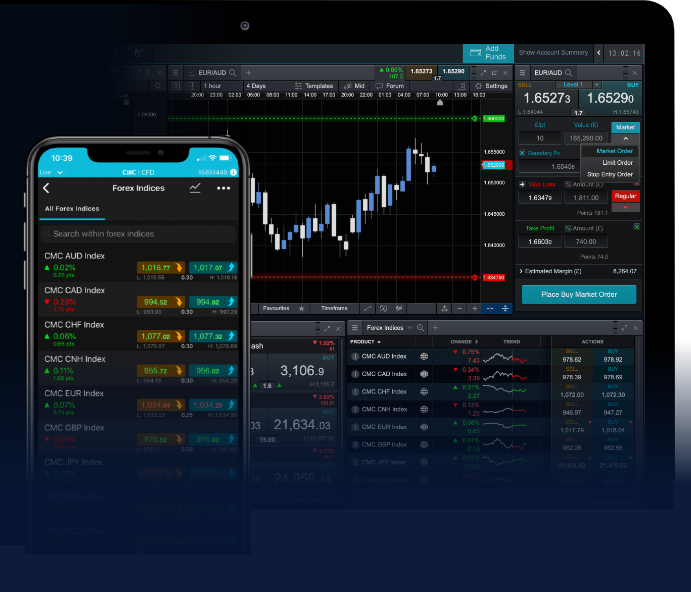
Scalping is one of the most common day trading strategies, involving making quick trades to exploit small price movements. Scalpers aim for small profits on each trade, usually holding positions for seconds to minutes. To be successful in scalping, traders need a fast execution environment and a deep understanding of market mechanics.
Key Points for Scalping:
- Choose currency pairs with high liquidity and tight spreads.
- Utilize short-term charts (1-minute or 5-minute) for precise entries and exits.
- Implement strict risk management with stop-loss orders to manage potential losses.
2. Momentum Trading
Momentum trading involves identifying currencies that are moving significantly in one direction and capitalizing on the ongoing trend. Traders use indicators such as the Relative Strength Index (RSI) or Moving Average Convergence Divergence (MACD) to gauge momentum before jumping in on trades.
How to Practice Momentum Trading:
- Identify trending currency pairs and focus on those exhibiting strong momentum.
- Look for breakouts from key resistance or support levels to initiate trades.
- Consider using trailing stops to lock in profits as the trade moves in your favor.
3. Breakout Trading
Breakout trading is based on entering positions when the price breaks through established support or resistance levels. Traders anticipate that the price will continue in the direction of the breakout, often leading to significant price movements.
Effective Breakout Trading Tactics:
- Monitor key price levels (like previous highs and lows) and identify potential breakout zones.
- Use volume analysis to confirm the strength of the breakout.
- Avoid false breakouts by waiting for a candle close beyond the breakout level before entering a trade.
4. Range Trading
Range Trading is ideal in a consolidating market, where the price oscillates between defined support and resistance levels. Traders look to buy near support and sell near resistance.
Key Strategies for Range Trading:
- Identify strong support and resistance levels using historical price action.
- Use oscillators like RSI to determine when a currency pair is overbought or oversold.
- Beware of potential breakouts, as they can lead to significant losses if a trade is not managed properly.
Tips for Successful Day Trading
While having a strategy is vital, here are some additional tips to enhance your day trading success:
- Develop a Trading Plan: Create a comprehensive trading plan that outlines your trading style, risk tolerance, and goals.
- Maintain a Trading Journal: Keep detailed records of your trades, including the reasoning behind each trade and the outcome.
- Stay Updated with Market News: Economic indicators and geopolitical events can significantly influence currency prices; staying informed can provide an edge.
Conclusion
Forex day trading can be both rewarding and challenging. By implementing these effective day trading strategies and adhering to best practices, traders can improve their chances of success in the highly volatile Forex market. Start experimenting with different strategies, find what suits your trading style, and always commit to continuous learning and improvement.
Commentaires récents