

Contributors to this article for the NIAAA Core Resource on Alcohol include the writers for the full article, content contributors to subsections, reviewers, and editorial staff. These contributors included both experts external to NIAAA as well as NIAAA staff. A number of studies have looked at alcohol use among specific racial and ethnic populations, including Black, Indigenous, and People of Color (BIPOC) communities. Traumatic childhood experiences, such as neglect or abuse, can also be a contributing factor. Alcohol use disorder can look different in each person, but there are some symptoms you can watch out for.
Medications to Ease Withdrawal Symptoms
Genetic, psychological, social and environmental factors can impact how drinking alcohol affects your body and behavior. Theories suggest that for certain people drinking has a different and stronger impact that can lead to alcohol use disorder. As well as causing serious health problems, long-term alcohol misuse can lead to social problems for some people, such as unemployment, divorce, domestic abuse and homelessness.
Symptoms and Signs of Alcohol Addiction: Am I Addicted to Alcohol?
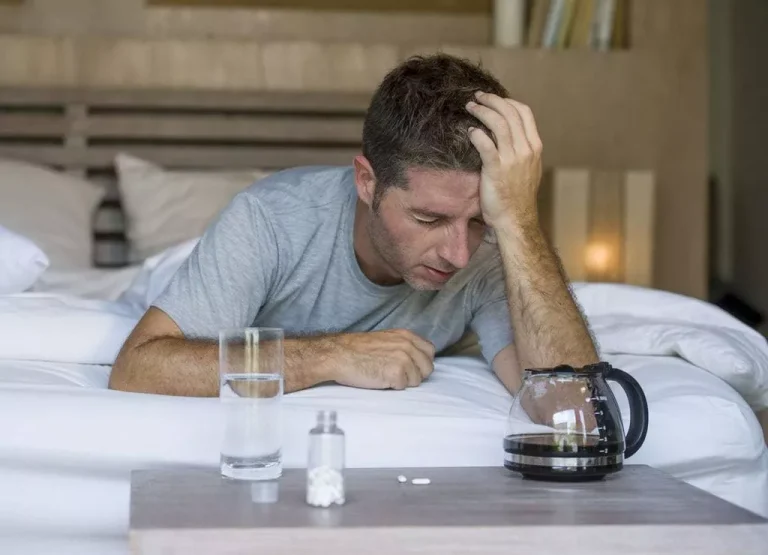
Today, they have been combined and are known as alcohol use disorder. While no longer separate diagnoses, it can be helpful to understand the differences between the two. « Dependence » refers to being unable to stop drinking without experiencing withdrawal symptoms while « abuse » refers to continuing to consume alcohol despite adverse consequences. If you are thinking about quitting drinking, talk to your healthcare provider. Medical supervision, behavioral health treatment, and mutual-aid groups can help you through alcohol withdrawal and stay stopped.
What health complications are associated with alcoholism?
- Although the term is no longer used in the new edition of the Diagnostic and Statistical Manual of Mental Disorders (DSM-5), many articles and discussions about AUD refer to alcohol abuse.
- As an addiction tends to get worse over time, it’s important to look for early warning signs.
- While only a healthcare provider can diagnose an alcohol use disorder, there are several physical and behavioral signs that may indicate an individual struggles with their alcohol use.
This often leads to « relief drinking » to avoid withdrawal symptoms. The risk to your health is increased by drinking any amount of alcohol on a regular basis. Being dependent on alcohol has a range of harmful physical and psychological effects.
Alcohol dependence was originally defined as a chronic medical condition characterized by experiencing symptoms of withdrawal when the person stops consuming alcohol. To avoid experiencing withdrawal symptoms, the person has to keep consuming alcohol. Alcohol dependence is characterized by symptoms of withdrawal when a person tries to quit drinking.

Alcoholism Symptoms and Signs
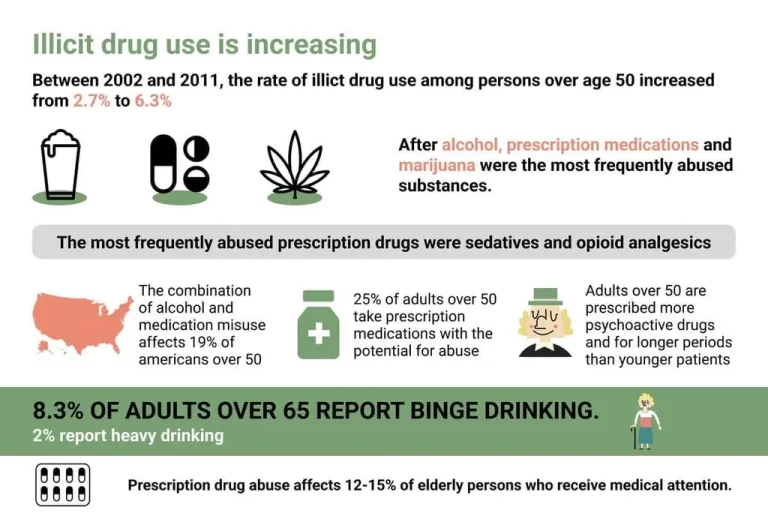
Most people with mild to moderate alcohol withdrawal don’t need treatment in a hospital. But severe or complicated alcohol withdrawal can result in lengthy hospital stays and even time in the intensive care unit (ICU). If you have developed alcohol dependence and decide to quit drinking, you can expect to experience withdrawal symptoms. According to information from the National Institutes of Health, these discomforts usually peak 24 to 72 hours after your last drink, but they may last for weeks.
Symptoms of Alcohol Withdrawal: Timeline and Signs of Danger
In some people, the initial reaction may feel like an increase in energy. But as you continue to drink, you become drowsy and have less control over your actions. If you’re worried about alcohol use during pregnancy, talk to your doctor or midwife. Drinkchat is a free online chat service with trained advisors offering confidential advice.
This is alcohol withdrawal, and it causes uncomfortable physical and emotional symptoms. When alcohol use begins to interfere with your daily life, it is time to seek treatment and find recovery from addiction. If you or a loved one is suffering from alcoholism, call us to get information about available facilities, treatments, therapies, helpful facts about alcohol abuse, and the path to recovery. Whether you care for youth or adults, you are likely to encounter patients with alcohol use disorder (AUD) regularly in your practice. The severity of the disease, how often someone drinks, and the alcohol they consume varies from person to person. Some people drink heavily all day, while others binge drink and then stay sober for a while.

Research shows people who have a supportive social network are more likely to remain alcohol-free after withdrawal. Those with a wider circle of support have a better chance of staying sober. People symptoms of alcohol dependence who drink daily or almost every day should not be left alone for the first few days after stopping alcohol. Withdrawal symptoms can quickly go from a bad hangover to a serious medical situation.
- Moderate and severe withdrawal syndromes can include hallucinations, seizures, or delirium tremens; the latter two can be life-threatening.
- When someone drinks alcohol for a prolonged period of time and then stops, the body reacts to its absence.
- Friends and family members of people who have an alcohol addiction can benefit from professional support or by joining programs like Al-Anon.
- There are many resources available to help, including peer support groups, counseling, therapy, and inpatient rehabilitation.
- Too much alcohol affects your speech, muscle coordination and vital centers of your brain.
When should I see my healthcare provider?
Individuals should be prepared to be uncomfortable during this period and have medical help available if needed. This is the period in which delirium tremens is most likely to occur, which requires immediate medical attention. If you or someone you know shows signs of delirium tremens, https://ecosoberhouse.com/ go to the emergency room immediately. This process temporarily restores homeostasis, or chemical balance, in an effort to counteract the impact of long-term alcohol use on the brain. Alcohol abuse can come with many health complications and can lead to AUD if left untreated.
Commentaires récents