
Master the Art of Forex Trading: A Comprehensive Guide
Forex trading, or foreign exchange trading, is the largest financial market in the world, with a daily trading volume exceeding $6 trillion. For beginners, navigating the complexities of this dynamic marketplace can seem daunting, but with the right knowledge and resources, anyone can become a successful trader. In this guide, we will explore the fundamental concepts of forex trading, provide strategies for success, and highlight useful tools and resources. For those looking to start trading, consider platforms like learn forex trading Trading Broker ZA, which offer user-friendly experiences and various trading tools.
Understanding Forex Basics
Before diving into trading strategies or market analysis, it’s essential to understand the basics of forex trading. Forex involves the exchange of one currency for another, and it operates on a currency pair basis. For example, in the EUR/USD pair, the Euro is the base currency, and the US dollar is the quote currency. When you buy EUR/USD, you’re effectively buying Euros while selling an equivalent amount of US dollars.
The Forex Market Structure
The forex market consists of various participants, including banks, financial institutions, corporations, and individual retail traders. These participants trade currencies through a network of electronic communications platforms, making the market decentralized. Major trading centers include New York, London, Tokyo, and Sydney, each contributing to the 24-hour nature of forex trading.
Types of Forex Markets
Forex trading revolves around three major market types:
- Spot Market: This is where currencies are bought and sold at current market prices. Transactions occur « on the spot, » which means they are settled immediately.
- Forward Market: In this market, contracts are executed at a future date, allowing traders to lock in exchange rates ahead of time.
- Futures Market: Similar to the forward market, futures involve contracts to exchange currencies at a future date, but these are standardized and traded on exchanges.
Choosing a Forex Trading Broker
Your choice of broker can significantly affect your trading experience. Here are some crucial factors to consider:
- Regulation: Ensure that the broker is regulated by a credible authority, which provides a level of security for your funds.
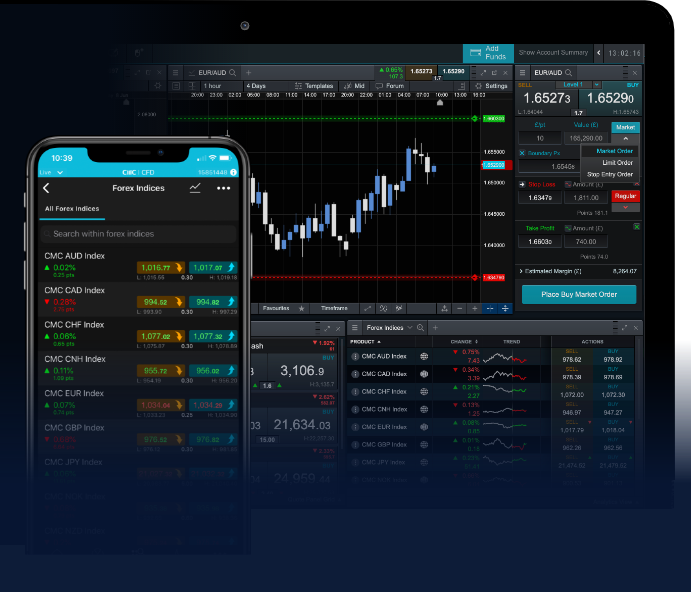
- Trading Platform: Look for a platform that is user-friendly and has robust features for analysis and trading.
- Spreads and Fees: Understanding the cost of trading is essential. Compare spreads, commissions, and various fees.
- Customer Support: A responsive customer support team can help you resolve issues quickly, which is vital in a fast-paced market.
Key Forex Trading Strategies
To succeed in forex trading, you need a well-thought-out strategy. Here are some popular strategies to consider:
- Scalping: This strategy involves making small profits from minor price changes, typically by entering and exiting trades quickly.
- Day Trading: Day traders open and close positions within the same trading day to capitalize on short-term market movements.
- Swing Trading: This strategy is based on capturing price movements over several days or weeks, focusing on medium-term trends.
- Position Trading: Traders hold positions for an extended period, typically weeks or months, based on long-term market forecasts.
Technical Analysis in Forex Trading
Technical analysis is the study of past market behavior through charts and indicators. Here’s how it works:
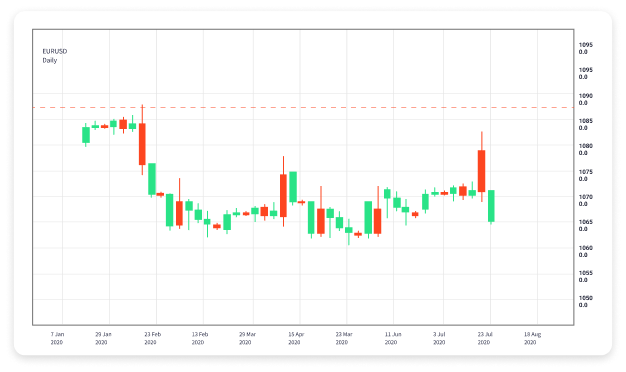
- Charts: Traders use price charts to identify trends and patterns. Common types include line charts, bar charts, and candlestick charts.
- Indicators: Various technical indicators help traders assess market conditions, such as Moving Averages, Relative Strength Index (RSI), and MACD.
- Support and Resistance Levels: Recognizing price levels where the market tends to reverse can provide critical entry and exit points.
Fundamental Analysis in Forex Trading
While technical analysis focuses on price patterns, fundamental analysis evaluates economic indicators and news events that influence currency prices. Important factors include:
- Interest Rates: Central bank policies and interest rate changes can significantly impact currency values.
- Economic Data: Reports on GDP, unemployment rates, inflation, and trade balance are crucial for understanding a currency’s strength.
- Political Events: Political stability and geopolitical events can lead to volatility in currency markets.
Risk Management in Forex Trading
Managing risk is crucial to long-term trading success. Here are some essential risk management strategies:
- Position Sizing: Determine the appropriate position size based on your account balance and risk tolerance to avoid overexposure.
- Stop-Loss Orders: Use stop-loss orders to limit losses by automatically exiting a position at a predetermined price level.
- Diversification: Avoid putting all your capital into one trade. Diversifying your positions can reduce overall risk.
Psychology of Forex Trading
The psychological aspect of trading is often overlooked but is crucial for success. Emotions such as fear and greed can lead to poor decisions. Some tips for maintaining a disciplined mindset include:
- Develop a Trading Plan: Stick to your trading plan, which should outline your strategies, goals, and risk management rules.
- Set Realistic Goals: Establish achievable goals and remain patient, as trading success typically requires time and experience.
- Keep a Trading Journal: Documenting your trades helps you analyze your performance, understand your mistakes, and improve your strategy.
Final Thoughts
Learning forex trading takes time, research, and practice. As a beginner, focus on understanding the key concepts, developing your trading strategies, and honing your risk management skills. Consider using demo accounts offered by brokers to practice without risking real money. With patience and diligence, you can unlock the potential of the forex market and work towards becoming a successful trader.
Commentaires récents